&geometry(229x90) "Seaforths vets Veterinary Hospital")
Why Is My Cat Peeing Outside the Litter Tray?
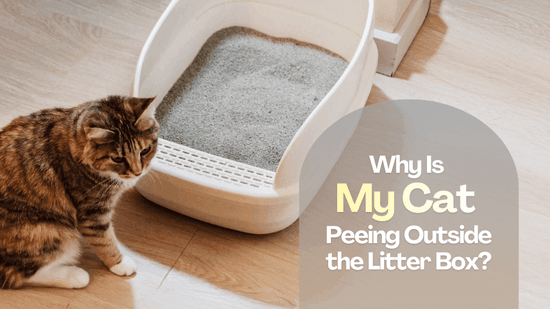 "Why Is My Cat Peeing Outside the Litter Tray?")
If your cat has started urinating outside their litter tray, it can be confusing and, understandably, a little frustrating. It’s important to remember that this behaviour is rarely intentional. Cats are not trying to be difficult or spiteful in most cases, it’s a sign that something isn’t quite right, whether that’s related to their health, surroundings, or emotional wellbeing.
A helpful way to approach this is to treat it as a possible health concern first, and a behavioural issue second. Toileting changes are one of the most common reasons cats are brought to the vet, as urinary problems can be uncomfortable and may become serious if left untreated.
Start by considering medical causes (as they are common)
Many cats begin avoiding the litter tray because urinating has become painful, urgent, or uncomfortable. Conditions affecting the urinary tract can cause inflammation, discomfort, and a constant urge to urinate, leading to accidents or reluctance to use the tray.
Your vet may assess for:
- Urinary tract conditions, such as bladder inflammation, stones, or infection, which can cause pain and urgency
- Increased thirst and urination linked to underlying health issues
- Pain or mobility problems, especially in older cats, where getting in and out of the tray is difficult
- Stress-related urinary conditions, where anxiety affects bladder health and behaviour
When it’s urgent (don’t wait)
Seek veterinary attention promptly if your cat:
- Is straining, crying, or repeatedly attempting to urinate with little or no output
- Appears uncomfortable or in pain when trying to wee
- Has blood in their urine
- Is lethargic, vomiting, or off their food
These signs can indicate a serious issue. In some cases, particularly in male cats, a urinary blockage can quickly become life-threatening.
If medical causes are ruled out, consider environment and behaviour
If your vet has ruled out health concerns, attention usually turns to the environment or emotional factors. This often falls into two main categories:
- Litter tray aversion: something about the tray or litter isn’t suitable
- Stress or anxiety: changes in the home or routine are affecting your cat
Think of the litter tray as your cat’s bathroom. If it’s unclean, difficult to access, or in a stressful location, your cat may look for an alternative.
Is it toileting or marking?
Not all urination outside the tray is the same. Marking (or spraying) typically involves:
- Smaller amounts of urine
- Vertical surfaces such as walls or furniture
- A link to territory or stress
Toileting, on the other hand, usually results in a larger amount of urine on a horizontal surface. Identifying which behaviour you’re seeing can help guide the right solution.
Litter tray tips that can make a big difference
Cleanliness is essential
Cats are naturally clean animals. If the tray is dirty or has a strong odour, they may avoid it.
- Scoop waste at least once daily (twice is ideal in multi-cat homes)
- Clean the tray regularly and replace it if it retains odour
Choose the right litter
Most cats prefer unscented litter. Strong fragrances may smell pleasant to us, but can be overwhelming for them. Sudden changes in litter type can also cause stress.
Location matters
Cats prefer a quiet, safe, and easily accessible place.
- Avoid noisy or busy areas
- Ensure easy access, especially for older cats
- Provide more than one location if possible
Tray style and size
The tray should suit your cat’s size and mobility. High sides or covered trays can be difficult for older or arthritic cats.
Multi-cat households
If you have more than one cat, competition can be a factor. Providing multiple trays in different locations can help reduce stress and prevent conflict.
What to do if accidents happen
Step 1: Clean thoroughly
Avoid ammonia-based cleaners, as these can attract cats back to the same spot. An enzymatic cleaner designed for pet urine is recommended.
Step 2: Make the tray the easiest option
If your cat repeatedly uses the same area, placing a litter tray nearby can help re-establish good habits. You can then gradually move it to a more suitable location.
Step 3: Reduce stress
Changes in the home can trigger urinary behaviour issues. Consider whether anything has changed recently, such as new pets, visitors, or disruptions to routine.
Helpful strategies include:
- Keeping feeding times consistent
- Providing daily play and enrichment
- Offering safe hiding spaces and elevated resting areas
- Limiting visual stressors, such as outdoor cats
What to avoid
Punishing your cat is unlikely to help and often makes the problem worse. It can increase anxiety and lead to more hidden or repeated accidents. Avoid actions such as shouting or rubbing your cat’s nose in urine.
Instead, focus on:
- Ruling out medical causes
- Improving litter tray setup
- Reducing stress in the environment
- Rebuilding a positive toileting routine
How we can help
If your cat is urinating outside the litter tray, we recommend booking an appointment with one of our vets. Identifying any underlying medical issues early is key, and we can help guide you through the next steps.
You can book by calling us or scheduling online.
If possible, bring a urine sample to your appointment. Our team can advise you on how best to collect this.
We can:
- Check for urinary conditions and other causes
- Recommend appropriate tests, including urine analysis
- Help distinguish between marking and toileting
- Create a tailored plan based on your cat’s needs and home environment
The sooner the issue is addressed, the sooner your cat can feel comfortable again, and you can enjoy a cleaner, stress-free home.
| Tags:CatPet Training |