&geometry(229x90) "Seaforths vets Veterinary Hospital")
Essential Oils and Pet Safety: What Every Owner Should Know
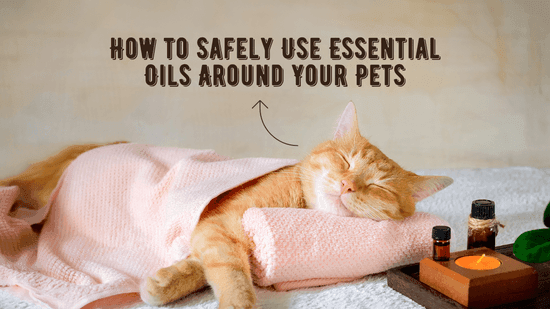 "Essential Oils and Pet Safety: What Every Owner Should Know")
Essential oils have become increasingly popular in many households, valued for their calming scents, mood-enhancing benefits, and natural approach to wellness. From lavender used to encourage relaxation to citrus oils in cleaning products, their everyday use continues to grow.
However, many pet owners are unaware that these highly concentrated plant extracts, despite being natural can present risks to animal health. Cats, dogs, and other pets process substances very differently from humans, which can make them more sensitive to the effects of certain oils.
Understanding the potential risks is an important step in keeping your pet safe. This guide outlines the possible dangers, signs to watch for, and simple steps you can take to protect your pet in a home where essential oils are used.
The Hidden Risks of Essential Oils
Essential oils are widely used in cleaning products, diffusers, and personal care routines, but they are highly concentrated and not always safe for animals. Even small amounts of some oils can cause adverse reactions.
Because pets metabolise substances differently, what may be harmless to humans can be harmful, or even toxic to dogs, cats, and other animals.
How Pets Are Exposed
There are several ways pets may come into contact with essential oils. The most serious risk is ingestion, such as when a pet licks a spill or chews on a product containing oils.
Topical exposure can also be harmful, particularly when concentrated oils are applied directly to the skin or coat. Even diffused oils in the air can cause issues, especially in poorly ventilated spaces or with prolonged exposure.
Common sources of exposure include:
Spilled oils on floors or surfaces
Diffusers placed within reach
Direct skin contact, including transfer from humans
Household cleaning products containing essential oils
Recognising Signs of Toxicity
Symptoms of essential oil exposure may not always appear straight away. Being aware of potential warning signs can help you act quickly if needed.
Signs to watch for include:
Excessive drooling or foaming at the mouth
Vomiting or diarrhoea
Lethargy or weakness
Loss of coordination or wobbliness
Tremors or shaking
Confusion or unusual behaviour
Skin redness or irritation
Yellowing of the gums, eyes, or skin (which may indicate liver issues)
If your pet shows any of these symptoms, it’s important to seek veterinary advice as soon as possible. Early treatment can significantly improve outcomes.
Essential Oils That Can Be Harmful
Some essential oils are known to be particularly toxic to pets. These include:
Tea tree oil
Often used for its antibacterial properties, tea tree oil is highly toxic to pets, even in small amounts. It can cause skin irritation, weakness, tremors, and in severe cases, collapse.
Eucalyptus oil
Although refreshing for people, this oil can cause vomiting, weakness, and neurological symptoms in pets.
Camphor
Commonly found in topical pain relief products, camphor can lead to serious neurological signs, including seizures.
Clove oil
Exposure may result in liver damage or depression of the central nervous system.
Wintergreen oil
This oil contains high levels of methyl salicylate and can cause digestive upset, breathing difficulties, and in severe cases, organ damage.
Using Essential Oils Safely Around Pets
If you use essential oils in your home, there are simple precautions you can take to reduce the risk to your pet.
Limit exposure
If using a diffuser, ensure the space is well ventilated and that your pet can leave the room freely. Avoid diffusing oils for extended periods, particularly in enclosed areas.
Avoid direct application
Never apply concentrated or human-grade essential oils to your pet’s skin or fur. This also includes contact after applying oils to your own skin.
Store safely
Keep essential oils out of reach, just as you would medications or cleaning products. Pets may accidentally knock over or chew containers.
Choose pet-safe options
Look for pet-friendly products that do not contain harmful oils. If you’re unsure, it’s best to seek advice before use.
Introduce new products carefully
When using a new oil, observe your pet for any signs of sensitivity or reaction, even if they have previously tolerated other products.
What to Do in an Emergency
If you believe your pet has been exposed to a toxic essential oil:
Remove them from the source immediately
Wash any affected skin with warm water and a pet-safe shampoo
Do not induce vomiting unless instructed by a veterinarian
Contact your vet or the Animal Poisons Helpline on (02) 9129 7333 for urgent advice
Prompt action is important, as some oils are absorbed quickly and can cause rapid symptoms.
Staying Informed and Protecting Your Pet
Being informed is one of the best ways to prevent accidental poisoning. Resources such as the Animal Poisons Helpline provide valuable updates and guidance for pet owners.
If you are unsure whether a product is safe to use around your pet, it’s always best to ask. Our team is happy to provide advice tailored to your pet and your home environment.
For more tips on keeping your pet safe and healthy, explore our blog or get in touch with us directly.
Book with our team if you have any concerns about your pet’s exposure to essential oils or notice any unusual symptoms.
| Tags:CatDogPet Safety |